I am reading a book called Soul Medicine for a Fractured World by Liza J. Rankow. It is not-light-reading in the best possible way. It is a book about crisis…and hope. It is about transformation and building new worlds.
I am pretty familiar with transformation. It has been the focus of the work I have done for 30 years. One part of this has been transforming long-term care. Within which there has been a lot of both crises and hope. And building of new worlds.
Another part of my focus has been advocating for transformation about dementia, within which I have also seen both crisis and hope.
And we are building new worlds.
We have been building a “dementia inclusive” world. Note: This, not ironically, is because, after the crisis of not including people living with dementia, we started hearing and valuing the voices of people living with dementia.
You might notice that I said building a dementia inclusive world, rather than we have built a dementia inclusive world. Because we are still in the process of transformation – between the old world of dementia that is highly stigmatized, medicalized, institutionalized, and a new world of dementia.
What will this dementia inclusive world look like? What do we think dementia inclusive means?
The process of transformation is never linear. Neither is this blog. So buckle up for this winding path of my brain as it explores what dementia inclusive means.
As a starting point, this is how the World Health Organization defines a dementia-inclusive society:
“A society in which people with dementia and their carers fully participate in society and have a place in it. It is a society where they enjoy respect, freedom, dignity, equality, accessibility and quality of life. It is one where they are empowered to live independently, free from stigma, discrimination, exploitation, violence or abuse.”
I think that is a good definition. And I think it needs unpacking.
Of course, the idea of being dementia inclusive is not just at the “society” level, but at all levels. We can be dementia inclusive in our cities, our communities, our care communities, our homes, our minds.
Unfortunately, becoming dementia inclusive does not happen just because we say it needs to.
Dementia inclusion is an “effort”. It is an effort because we have to unlearn the deeply embedded beliefs that are a part of the stigma of dementia.
I am not trying to be Negative Nelly, but history has told us that very important efforts to be inclusive have had their challenges.
I am curious. What makes a movement to be inclusive fail?
I asked AI, and this is what it said:
“A movement can say it wants inclusion and still fail if it only asks people to ‘fit in’ instead of changing the system itself. Real inclusion usually requires redesigning rules, spaces, expectations, and power so people can participate without having to erase who they are.”
Oooh, changing systems. It’s like you see me, AI. Right up my alley.
Because you know what has to happen for us to change systems?
Changing paradigms! Oh my, systems and paradigms. Two of my favorite things.
So what would be the paradigm of dementia inclusion?
I have thoughts. Of course, they are not entirely my own. They shouldn’t be! That would not be inclusive.
These thoughts are driven by my experiences of listening to many people living with dementia and their families and friends, and people who support them.
At the core, dementia inclusion means ensuring that people living with dementia are included. This might mean that people living with dementia are offered every opportunity to participate fully in society, to use their strengths, to use their voices. This might mean that people living with dementia are not seen as “other”, are not abnormalized or pathologized. This might mean that people living with dementia are seen as us rather than them.
Dementia inclusion means that people living with dementia are included in decisions about themselves, about what support or care they might get or not get. It means they are included in creating the systems that support them to live their lives.
Dementia inclusion might mean more than being included. It might mean the people living with dementia drive changes, create, build, maybe even destroy.
Dementia inclusion means a focus on personhood. If people living with dementia are to be included/more than included, they are included/more than included as multi-dimensional, unique human beings who are not defined by their diagnoses or grouped by their diagnoses.
Dementia inclusion sees people living with dementia as more than their cognitive changes, but recognizing cognitive changes are a part of how they are living their lives.
Dementia inclusion means offering every opportunity for people to live well and have their needs met, but also honoring their choices when what they want might not be the same as what we want. This is because, to be inclusive, we are seeing a person living with dementia as being no different than us, with the same rights as any human being.
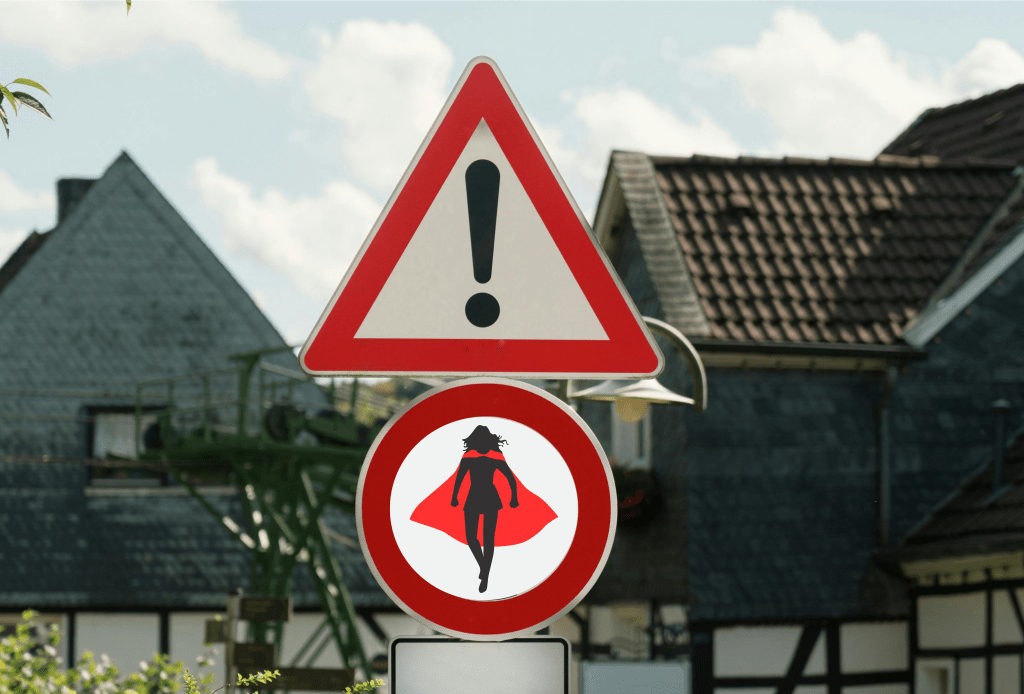
Dementia inclusion means fighting against the stigma of dementia that sees people living with dementia as dangerous, incapable, unintelligent, unaware, lost, gone. Dementia inclusion means fighting for a paradigm of dementia that sees people living with dementia as whole, capable, valuable, contributing, having strengths, fully human, citizens.
Dementia inclusion means removing or decreasing barriers that make it difficult for people living with dementia to live fully.
Dementia inclusion does not mean “us” creating services, systems, supports, care communities that meet “our” needs, and then expecting people living with dementia to fit in or adapt to these things we created for them.
In care communities, dementia inclusion means that people living with dementia are supported to live fully wherever they live in that community. That means that people in independent living who have dementia are actively supported to live the life that is important to them, and people in memory care are actively supported to live the life that is important to them. It means they are not defined by their diagnosis, but supported to LIVE with their diagnosis.
Dementia inclusion means that people living with dementia are active agents in their lives, not perceived as passive recipients. This also includes the reality that people living with dementia may need support from others to be active agents in their lives.
Dementia inclusion means being willing to have open conversations about risk and safety, and letting go of the idea that safety is the main goal of how we support people living with dementia. Interestingly, the conversations about inclusivity outside dementia talk about safety in a very different way. Those conversations about how to be inclusive include the importance of creating safe places where people can feel respected, heard, accepted, be themselves i.e. a type of psychological or social safety. So, maybe we can think differently about how we create safety in dementia inclusion.
Of course, this is not everything dementia inclusion is.
The term “dementia inclusion” doesn’t seem to adequately hold all these things that it is. It is bursting with possibility and hope. Might it lead us in the right direction?
How do we apply this paradigm of dementia inclusion?
We might apply this paradigm of dementia inclusion to systems. This includes the systems in everyday life for people living with dementia – how government, neighborhoods, organizations, businesses, individuals, etc. support or don’t support people living with dementia. It also includes the “system” of supports and services for people living with dementia – the medical system, care communities, social innovations, etc.
But we can’t just build on top of things that are unstable. We have to address the reality that there is still a lot of dementia exclusion showing up in systems.
So dementia inclusion cannot be a band aid that is covering the boo-boo of dementia exclusion. That might not be the right direction.
We need to be willing to question longstanding practices and hold them up to a new paradigm of dementia inclusion. And if they don’t hold up, we need to be willing to think of a new way of doing them.
We might apply this paradigm of dementia inclusion as an individual.
Moving forward with dementia inclusion means that each of us are included in this. We can each think about what dementia inclusion means. How are we supporting it? How are we hindering it?
And of course we have to keep including/more than including people living with dementia in the conversation about inclusion. We are building new worlds together.
This is being inclusive, but it is also recognizing that dementia inclusion advances our humanity. Dementia inclusion is not only “for” people living with dementia. It is about all of us, with all of us.

“The gifts of the soul abide in us. They are the medicine that is needed for the world to make the transition from destruction to new life. The journey also requires we consider what within us may need to die so a greater wholeness can express. What are the patterns, beliefs, identities, and assumptions that are holding us back? Releasing them is also part of the healing process. Each of us has the capacity to contribute to the necessary transformation.” – Soul Medicine for a Fractured World

